Language

High voltage switchgear pricing is influenced by voltage level, type (AIS vs GIS), customization, and installation complexities. AIS typically costs less due to simpler construction, while GIS is costlier due to SF6 gas use. Brand reputation and region also impact prices; European markets may face elevated costs from shipping and EU standards. For accurate quoting, consider protection, automation needs, and vendor reputation. For more insights into price determinants and buying tips, further exploration may prove beneficial.

The pricing of high voltage switchgear is influenced by several critical factors, including voltage level, switchgear type, and configuration.
Higher voltage levels, such as 400kV, command higher prices due to increased material and safety requirements.
Additionally, the choice between Air Insulated Switchgear (AIS), Gas Insulated Switchgear (GIS), or hybrid options, alongside breaker technology and brand reputation, greatly impacts cost.
Customization further tailors expenses based on specific project needs.
When evaluating the price determinants of high voltage switchgear, voltage level emerges as a notable factor. Higher voltage levels, such as 132kV, 220kV, and 400kV, necessitate enhanced insulation and breaker capabilities, directly influencing the high voltage switchgear cost.
The hv switchgear price list reflects this, showing a clear correlation between increased voltage ratings and elevated costs. Regarding switchgear cost breakdown, the high voltage equipment price is considerably affected by the need for advanced materials and technology to manage higher voltages safely.
Additionally, the hv switchgear installation cost escalates with voltage level due to the complexity and precision required during installation. Consequently, as voltage increases, so does the financial investment in both procurement and installation phases.
The type of switchgear selected has a major impact on the overall high-voltage switchgear price. Air-Insulated Switchgear (AIS), Gas-Insulated Switchgear (GIS), and Hybrid systems each come with different cost structures and performance characteristics.
AIS switchgear is typically the most cost-effective option. Its open, air-insulated design uses simpler materials and construction methods, resulting in a lower AIS switchgear cost and easier maintenance.
GIS switchgear, on the other hand, commands a much higher price—often up to twice the cost of AIS. This premium is driven by its compact footprint and the use of SF₆ gas for insulation, which increases manufacturing complexity and directly raises the GIS switchgear price. Despite the higher upfront investment, GIS reduces land use and offers excellent reliability, influencing overall substation switchgear cost.
Hybrid switchgear bridges the gap between AIS and GIS. It combines compact GIS components with AIS accessibility, delivering a moderate cost level and a practical performance-to-price balance for many utilities.
Choosing the right type is one of the most important switchgear price factors, shaping not only the initial purchase cost but also installation, operation, and long-term maintenance requirements.
| Type | Relative Cost | Key Features |
|---|---|---|
| AIS | Low | Simple design, air-insulated, larger footprint |
| GIS | High | Compact design, uses SF₆ gas, higher installation cost |
| Hybrid | Moderate | Mix of AIS and GIS, balanced performance and space efficiency |
Although often overlooked, configuration and customisation play a pivotal role in determining the price of high voltage switchgear. The choice between single and double busbar configurations can greatly influence costs due to differing complexity and material requirements.
Custom protection schemes tailored to specific operational needs further impact pricing by necessitating advanced engineering and additional components. Configuration also involves the integration of various operational features, which may require bespoke design efforts, thereby increasing the overall expenditure.
Key factors influencing price include:
These elements collectively shape the economic landscape of switchgear procurement.
The choice of breaker technology is a critical determinant of high voltage switchgear pricing, influenced by the type of breakers used—vacuum, SF6, or hybrid.
Vacuum breakers are often preferred for their lower maintenance and environmental impact, as they do not use SF6 gas. Their simplicity and reliability can potentially reduce long-term costs.
SF6 breakers, while offering excellent arc-quenching properties, involve higher environmental compliance costs due to SF6 gas's greenhouse potential.
Hybrid breakers integrate vacuum and SF6 technologies, aiming to balance performance and cost.
The selection of breaker type is contingent on specific application needs, weighing factors such as operational efficiency, environmental considerations, and initial expenditure.
This decision directly affects both initial purchase and life-cycle costs of the switchgear.
Brand reputation and country of origin greatly influence the pricing of high-voltage switchgear. Renowned manufacturers such as ABB, Siemens, and GE often command premium prices due to their established reputation for quality and reliability.
These brands invest heavily in research and development, ensuring their products meet high standards. In contrast, Chinese manufacturers may offer more competitive pricing, leveraging lower production costs.
The country of origin also impacts costs due to varying labor rates, manufacturing standards, and import tariffs.
Installation location conditions greatly impact the pricing of high voltage switchgear by dictating material selection and construction requirements. In desert environments, high temperatures necessitate heat-resistant materials, while coastal areas demand corrosion-resistant constructions due to salt exposure. Indoor installations typically require compact designs, whereas outdoor settings must withstand weather extremes. Each of these factors influences the selection of materials, affects manufacturing techniques, and ultimately impacts cost.
| Location Type | Environmental Challenge | Material Requirement |
|---|---|---|
| Desert | High temperatures | Heat-resistant materials |
| Coastal | Salt exposure | Corrosion-resistant materials |
| Indoor | Space constraints | Compact design |
| Outdoor | Weather extremes | Durable construction |
| Urban | Space and access limits | Modular, easy-access design |
Strategic material selection and design adaptation in response to these conditions are essential for optimizing both cost and performance.
When evaluating the typical price ranges for high voltage switchgear, it is essential to differentiate between AIS and GIS options, as their cost structures greatly vary.
AIS switchgear generally presents a more economical choice; however, GIS systems command a higher price due to their advanced design and use of SF6 gas.
Additionally, buyers often overlook ancillary expenses such as transportation, installation, and the integration of monitoring systems, all of which can considerably impact the total investment required.
Air-insulated switchgear (AIS) presents a cost-effective solution for high voltage applications, with its price range largely determined by the voltage rating and specific configurations.
Within the IEC-based tier ranges for 72.545kV, the cost is impacted by several factors. AIS is generally more economical than gas-insulated switchgear (GIS) due to the absence of SF6 gas and related environmental considerations.
The price can vary considerably based on the quality of materials and the reputation of the manufacturer, as these elements justify higher costs.
Gas-insulated switchgear (GIS) systems, integral to high voltage applications, command a higher price point due to their advanced technology and compact design.
The cost for GIS is particularly influenced by several factors, primarily the voltage rating, which directly correlates with increased costs for higher ratings. GIS employs sulfur hexafluoride (SF6) gas for insulation, contributing to its elevated expense compared to AIS.
Additionally, the choice of materials and the precision in manufacturing greatly impact pricing, ensuring quality and reliability. Well-established brands further escalate costs due to their reputational premium.
Typical price ranges for GIS systems vary, often spanning from several hundred thousand to over a million dollars, reflecting their complexity and the stringent safety standards they must meet.
Many buyers overlook several additional costs when budgeting for high-voltage switchgear, which can greatly impact the overall investment.
These costs, often underestimated, contribute greatly to the total expenditure and should be carefully considered during the planning phase.
Key overlooked expenses include:
These elements highlight the importance of thorough cost analysis beyond initial purchase prices.
A cost comparison between air-insulated and gas-insulated switchgear shows a clear divergence in both upfront price and long-term financial impact.
AIS Advantages:
GIS Advantages:
However, these benefits come at a higher price. GIS involves advanced manufacturing, gas-tight enclosures, and ongoing SF₆ monitoring, which all contribute to higher long-term operating costs.
For stakeholders, the choice often depends on project priorities:
| Feature | AIS Price | GIS Price |
|---|---|---|
| Initial Cost | Lower | Higher |
| Footprint | Larger | Compact |
| Maintenance Cost | Higher | Lower |
| Installation Cost | Lower | Higher |
| Use Case | Wide-open sites | Cities, tunnels, offshore |
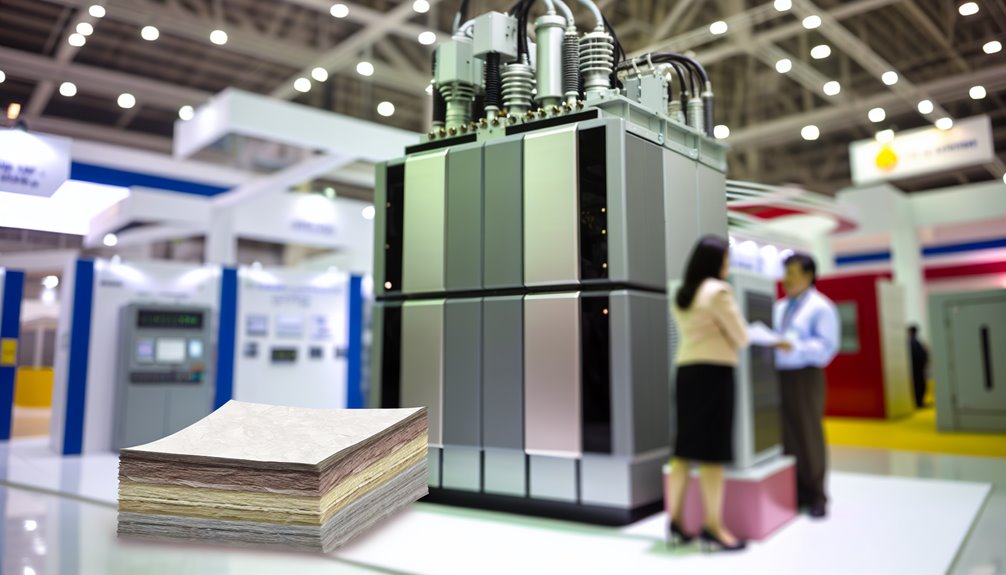
Understanding the Total Cost of Ownership (TCO) provides a thorough perspective on the financial implications of high voltage switchgear over its entire lifecycle.
Total Cost of Ownership (TCO) offers insight into the lifecycle financial implications of high voltage switchgear.
Beyond the initial purchase, TCO encompasses maintenance, energy loss, downtime risk, and replacement cycles. These factors often remain unmentioned by competitors, thereby offering a strategic advantage for those who acknowledge them.
By considering TCO, decision-makers can optimize investments and reduce unforeseen expenses.
Analyzing these elements guarantees a thorough understanding of long-term financial commitments.
Several factors, including shipping logistics, compliance standards, and import taxes influence regional price variations for high voltage switchgear.
In the USA, higher costs are often associated with stringent certification requirements and domestic manufacturing preferences.
Conversely, Europe and the Middle East & Asia experience different pricing dynamics due to localized production capabilities and varied regulatory frameworks.
The cost of high voltage switchgear in the USA exhibits significant regional variation, primarily driven by factors such as shipping logistics, compliance with local regulations, import taxes, and certification requirements.
Different states impose varying regulatory standards and certification requirements, affecting pricing structures. Import taxes also vary, influencing the final purchase cost, especially for components sourced internationally.
Shipping logistics contribute to regional price differences, with transportation expenses escalating in remote or less accessible areas. Certification requirements, which differ state by state, add another layer of complexity and cost variation.
While high voltage switchgear pricing in the USA is influenced by regional logistics and regulatory requirements, European markets exhibit their own unique set of cost variations driven by similar factors.
Shipping costs in Europe are affected by the continent's intricate network of borders and varying import taxes. Compliance with European Union certification standards adds another layer of expense.
The harmonized regulations across member states aim to streamline processes, yet individual country-specific standards and certifications can cause additional financial implications. Import taxes fluctuate depending on the country of entry, impacting overall expenses.
These cost components, alongside the initial purchase and installation costs, contribute to the pricing complexity within the European market. Buyers must account for these regional differences when evaluating switchgear investments.
How do regional differences impact the pricing of high voltage switchgear in the Middle East and Asia?
Regional variances in shipping logistics, regulatory compliance, import taxes, and certification requirements greatly influence costs. The geographical location affects the transportation expenses due to distance and accessibility challenges.
Compliance with local standards often necessitates additional certifications, contributing to increased purchase and installation costs. Import taxes vary widely across countries, impacting the overall budget allocation for these projects.
Understanding these factors allows stakeholders to effectively manage budgets and procurement strategies.
High-voltage switchgear pricing can vary widely, and inaccurate requests often lead to incorrect or inflated quotations. To receive a realistic and reliable price, your purchasing or engineering team should prepare several key details before approaching suppliers.
Manufacturers cannot quote accurately without knowing the exact performance requirements. Provide:
A detailed single-line diagram (SLD) dramatically improves accuracy and reduces revisions.
Switchgear built to IEC 62271, ANSI/IEEE, or regional standards requires different materials and testing processes. If you need routine tests, type tests, FAT testing, or third-party inspection, note this upfront—each affects pricing and lead time.
Environmental conditions influence enclosure design and material selection. Include:
Manufacturers must adjust insulation distances, gasketing, and ventilation based on these factors.
Lead time constraints can affect cost. Suppliers may charge extra for:
Providing your delivery expectations early helps suppliers optimise the quote.
A transparent quotation should include:
This allows for apples-to-apples comparison between suppliers.
Providing electrical drawings, load lists, and future expansion requirements enables the supplier to size the equipment correctly and avoid costly overspecification—or underspecification that leads to redesign.
Evaluate quotations based on:
Lowest upfront cost does not always equal lowest long-term cost.
Conya Electric delivers reliable, cost-efficient high voltage switchgear backed by 35+ years of industry experience. Through strategic partnerships with ABB, GE, and other global leaders, we provide advanced technology at competitive pricing.
Our strong R&D capability enables energy-efficient, innovative designs, while ISO9001 and 3C-certified manufacturing ensures consistent quality and long service life. Conya also prioritises sustainability, integrating eco-friendly practices that meet modern environmental standards.
Ready to source high-voltage switchgear? Contact Conya Electric today for a fast, accurate quote and tailored solutions for your project.
Hidden costs of high voltage switchgear include site preparation, transportation, regulatory compliance, environmental impact management, monitoring systems, and disposal of hazardous materials. These factors, often underestimated, greatly affect the total cost of ownership and operational expenses.
Brand reputation can cast a long shadow on future maintenance costs; reputable brands often provide robust warranties and superior parts, reducing unforeseen expenses, while lesser-known brands may increase risk of costly, frequent repairs due to inferior quality.
Depreciation of high voltage switchgear is influenced by factors such as initial purchase cost, technological obsolescence, usage intensity, environmental conditions, maintenance frequency, and regulatory changes. High-quality materials and advanced design can mitigate depreciation rates.
Just as a lighthouse guides ships through treacherous waters, financing options like leasing, loans, and power purchase agreements illuminate paths to acquiring high voltage switchgear, providing flexibility and control over capital expenditures and operational budgeting.
Warranty terms impact switchgear ownership costs by potentially reducing long-term expenses through coverage of repairs or replacements. Longer warranties may increase upfront costs but provide financial protection against unexpected failures, enhancing investment security and operational reliability.
In the domain of high voltage switchgear, akin to a complex orchestra, each component and factor harmonizes to create a symphony of costs. Like a conductor guiding musicians, decision-makers must deftly balance technological innovations, regional variations, and brand reputations. By understanding these intricate dynamics, they can orchestrate investments that resonate with efficiency and reliability. Consequently, the future of power distribution, like a well-composed melody, hinges on informed choices that guarantee both fiscal prudence and operational excellence.
