Language


Looking for reliable electrical equipment manufacturers for your project?
Whether you are sourcing for industrial power systems, commercial buildings, or large-scale infrastructure, choosing the right supplier can directly impact safety, efficiency, and long-term performance.
In this guide, we’ve compiled a list of leading electrical equipment manufacturing companies worldwide, along with their core products, strengths, and market focus. This will help you quickly compare options and find the most suitable partner for your needs.
From global giants like Siemens and ABB to specialized industrial suppliers, electrical equipment manufacturers play a critical role in powering industries, infrastructure, and modern cities.
To help you quickly evaluate and compare leading electrical equipment manufacturers, here is a simplified overview based on key factors such as product range and ideal applications.
| Company | Country | Key Products | Best For |
|---|---|---|---|
| Siemens | Germany | Automation, power systems | Smart cities & infrastructure |
| ABB | Switzerland | Electrification, robotics | Industrial automation |
| Schneider Electric | France | Energy management, switchgear | Commercial buildings |
| General Electric | USA | Power systems, transformers | Utility & energy |
| Hitachi Energy | Japan/Switzerland | HVDC, transformers | Power transmission |
| Mitsubishi Electric | Japan | Automation, electrical systems | Industrial manufacturing |
| Legrand | France | Wiring devices, smart systems | Residential & commercial |
| Panasonic | Japan | Energy storage, electrical systems | Smart infrastructure |
| Robert Bosch | Germany | Automation, components | Industrial solutions |
| Samsung Electronics | South Korea | Energy systems, automation | Smart grid & energy |
| Eaton | USA | Power distribution | Industrial & utility |
| Lockheed Martin | USA | Advanced power systems | Specialized infrastructure |
| Schneider Electric USA | USA | Energy management | U.S. projects |
| Hoffman Enclosures | USA | Enclosures, panels | Industrial protection |
| Yazaki | USA/Japan | Wiring systems | Automotive & connectors |
| Conya Group | China | Distribution systems | Cost-effective projects |
| TBEA | China | Transformers, transmission | Power infrastructure |
| Chint Group | China | Low-voltage equipment | Industrial & commercial |
| BHEL | India | Power equipment | Utility projects |
| WEG | Brazil | Motors, transformers | Industrial applications |
We’ve grouped these companies into Global Powerhouses, U.S. Industry Leaders, and Emerging/Regional Specialists for clarity. Each profile highlights products, specialties, and why the company stands out.

Foundation Year: 1847
Siemens is a leading manufacturer of electrical equipment with a global presence in over 200 countries. Specializing in industrial automation, power distribution, and smart infrastructure, Siemens delivers reliable, cutting-edge solutions for factories, energy grids, and smart cities. The company’s focus on sustainability and digitalization ensures clients receive future-ready systems.
Foundation Year: 1988 (merger of ASEA and Brown Boveri)
ABB is a pioneer in electrification, robotics, and industrial automation, serving global markets with high- and low-voltage equipment, switchgear, and digital energy systems. Its strong R&D investments enable innovative solutions for smart grids and renewable energy integration. ABB’s reliability makes it one of the most respected electrical equipment suppliers worldwide.

Foundation Year: 1836
Schneider Electric provides comprehensive energy management and automation solutions. Its portfolio includes switchgear, circuit breakers, distribution systems, and smart building technology. The company emphasizes sustainability, IoT-enabled devices, and energy efficiency, positioning it as a top choice among industrial and commercial buyers.

Foundation Year: 1892
General Electric (GE) manufactures power systems, industrial equipment, and electrical components. With decades of experience, GE provides transformers, switchgear, and renewable energy solutions. Its global scale and reliability make it a leading industrial electrical manufacturer for diverse sectors.
Foundation Year: 2020 (as a joint venture between Hitachi and ABB)
Hitachi Energy focuses on power transmission, grid automation, and renewable integration. The company produces high-voltage transformers, smart grid solutions, and digital energy systems, helping utilities and industrial clients optimize performance and reliability. It has been involved in several major projects, including the development of a high-voltage direct current (HVDC) transmission system in India.
Foundation Year: 1921
Mitsubishi Electric is a global leader in automation systems, energy management, and electrical equipment manufacturing. Its offerings include switchgear, transformers, and control systems, trusted for high performance and reliability across industrial and commercial applications.

Foundation Year: 1904
Legrand specializes in electrical wiring devices, distribution boards, and digital infrastructure. With a strong presence in smart building technology, Legrand emphasizes efficiency, connectivity, and energy management, making it a top supplier for modern commercial and residential projects.

Foundation Year: 1918
Panasonic manufactures electrical equipment, energy storage solutions, and industrial automation devices. Known for innovative and sustainable products, Panasonic serves industries seeking reliable, energy-efficient solutions for both large-scale infrastructure and consumer-facing applications.
Foundation Year: 1886
Bosch produces industrial electrical components, automation systems, and smart energy solutions. Its focus on precision, innovation, and safety has made it a trusted global supplier for industrial and commercial electrical projects.

Foundation Year: 1969
Samsung provides power equipment, automation systems, and energy storage solutions. While widely recognized for electronics, Samsung’s industrial electrical division excels in energy management, smart grids, and industrial automation, catering to global infrastructure projects.

Foundation Year: 1911
Eaton offers power management solutions, circuit protection, and electrical distribution systems. Known for sustainability and reliability, Eaton serves industrial, commercial, and utility clients in the U.S. and globally. In 2024, Eaton reported a revenue of $24.88 billion and operates in over 160 countries with approximately 94,000 employees.
Foundation Year: 1995, through the merger of Lockheed Corporation(founded in 1912) and Martin Marietta(founded in 1961).
While primarily known as a defense and aerospace company, Lockheed Martin also develops advanced power systems, energy storage solutions, and electrical components used in aerospace, infrastructure, and industrial applications. Their reputation for precision engineering, reliability, and innovation extends to specialized electrical systems that support critical missions and complex projects worldwide.

Foundation Year: 1836
The U.S. branch of Schneider Electric delivers localized support and distribution while offering the same energy management and automation solutions as its global counterpart.
Foundation Year: 1945
Hoffman specializes in electrical enclosures, panels, and protective housings. Their solutions ensure safety, durability, and compliance for industrial and commercial electrical systems.

Foundation Year: Yazaki Corporation was founded in 1929; the North American operations began in 1966.
Yazaki produces wiring harnesses, electrical components, and industrial connectors, serving automotive and energy markets in the U.S. and North America. Yazaki is among the top 100 companies receiving the most U.S. patents, reflecting its commitment to innovation.
Foundation Year: 1988
Conya manufactures intelligent electrical distribution equipment, including bus ducts, distribution boxes, and high/low-voltage systems. With ISO9001 and CCC certifications, Conya offers customized, cost-effective solutions across Asia and emerging markets.

Foundation Year: 1949
TBEA is a leader in power transformers, transmission equipment, and renewable energy solutions. Its products support utility-scale energy projects and industrial clients worldwide.

Foundation Year: 1984
Chint produces low-voltage electrical equipment, switchgear, and automation solutions. With a strong domestic and growing international presence, Chint is a trusted electrical supplier for industrial and commercial applications.

Foundation Year: 1964
Bharat Heavy Electricals Limited is India’s largest power plant and electrical equipment manufacturer. It provides transformers, switchgear, and industrial energy solutions for both domestic and international projects.
Foundation Year: 1961
WEG manufactures motors, transformers, and automation solutions, serving industrial clients globally. Known for reliability and innovation, WEG is a leading regional electrical equipment supplier in Latin America.
Understanding the global electrical equipment manufacturing market is key to making informed sourcing decisions. Each region has its strengths, and companies differ in scale, specialization, and reach.

The global market for electrical equipment manufacturing companies continues to grow steadily, driven by industrial automation, renewable energy adoption, and smart infrastructure projects. Multinational giants like Siemens, ABB, Schneider Electric, GE, and Mitsubishi Electric dominate, offering comprehensive product portfolios, R&D innovation, and worldwide distribution.
Key trends globally:
Global leaders are preferred for projects requiring high reliability, advanced technology, and international compliance, particularly in cross-border infrastructure and industrial projects.
The U.S. is home to a mix of multinational and domestic electrical equipment suppliers. According to IndustrySelect and IndustryWeek data:
Why this matters: Choosing a U.S. supplier can reduce shipping times, simplify regulatory compliance, and ensure better after-sales service for domestic projects.
Countries in Asia and Latin America are growing rapidly as hubs for electrical equipment manufacturing. Regional specialists like Conya, TBEA, Chint Group, BHEL, and WEG provide:
Asia, particularly China and India, dominates in low- and medium-voltage equipment, switchgear, and renewable energy solutions, while Latin America offers reliable industrial motors, transformers, and automation products.
Combining global and regional suppliers strategically can balance innovation, cost, and availability, depending on your project requirements.
Related Articles:
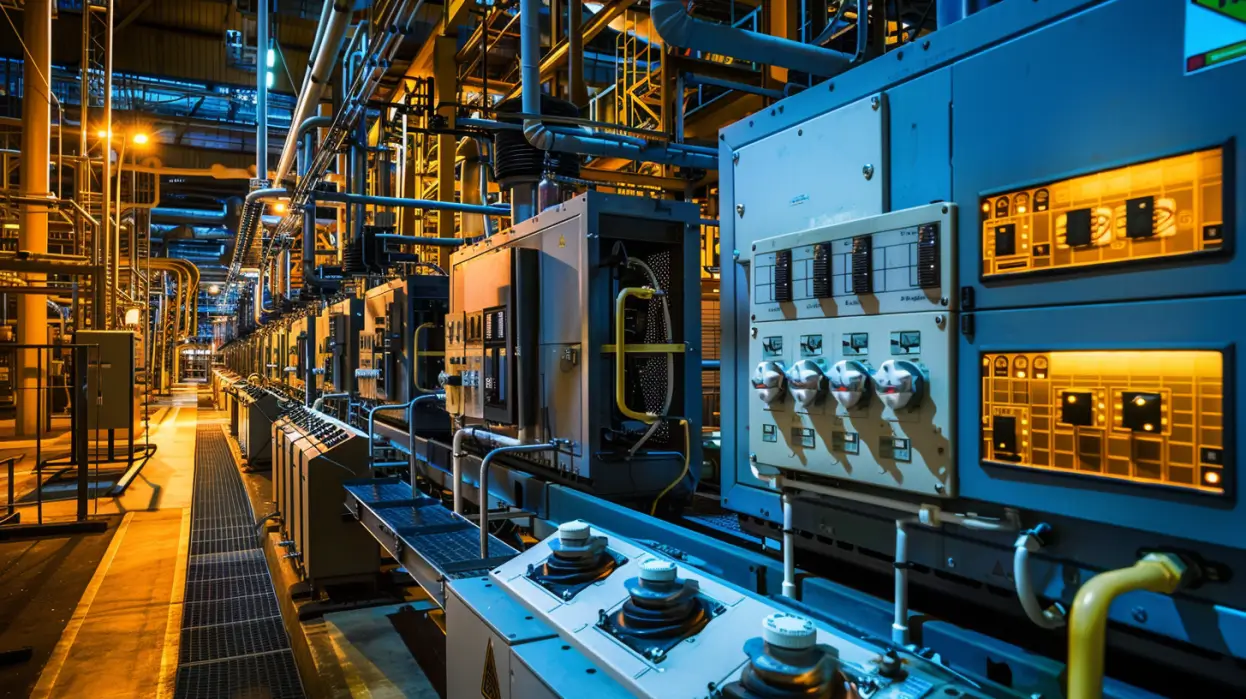
Selecting the right electrical equipment manufacturer is critical to ensuring safety, reliability, and long-term performance for your project. With so many global and regional suppliers available, it’s important to evaluate key factors before making a decision.
First, assess the manufacturer’s product range and specialization. Some companies offer a full portfolio—including transformers, switchgear, and automation systems—while others focus on specific niches such as low-voltage distribution or industrial components. Choosing a supplier aligned with your project type (industrial, commercial, or infrastructure) ensures better compatibility and performance.
Second, check for certifications and quality standards. Reliable manufacturers comply with internationally recognized standards such as ISO 9001, IEC, UL, or CCC. These certifications indicate that the products have undergone rigorous testing and meet safety and regulatory requirements in different markets.
Third, evaluate reliability and after-sales support. A strong supplier should offer technical assistance, spare parts availability, and responsive customer service. This is especially important for large-scale or long-term projects, where downtime can lead to significant costs.
Another key factor is innovation and technology adoption. Leading manufacturers are integrating smart grid solutions, IoT-enabled monitoring, and automation into their products. Partnering with technologically advanced suppliers helps future-proof your infrastructure and improve operational efficiency.
Finally, consider the cost-to-value ratio rather than just the initial price. While regional manufacturers may offer lower upfront costs, global brands often provide higher reliability, longer lifespan, and better support—resulting in lower total cost over time.
By evaluating these factors, buyers can identify the most suitable electrical equipment manufacturer based on project requirements, budget, and long-term operational goals.
The electrical equipment manufacturing industry is evolving rapidly, driven by technological innovation, environmental regulations, and global energy demands. Staying informed about future trends helps buyers select suppliers that will remain reliable, innovative, and compliant for years to come.
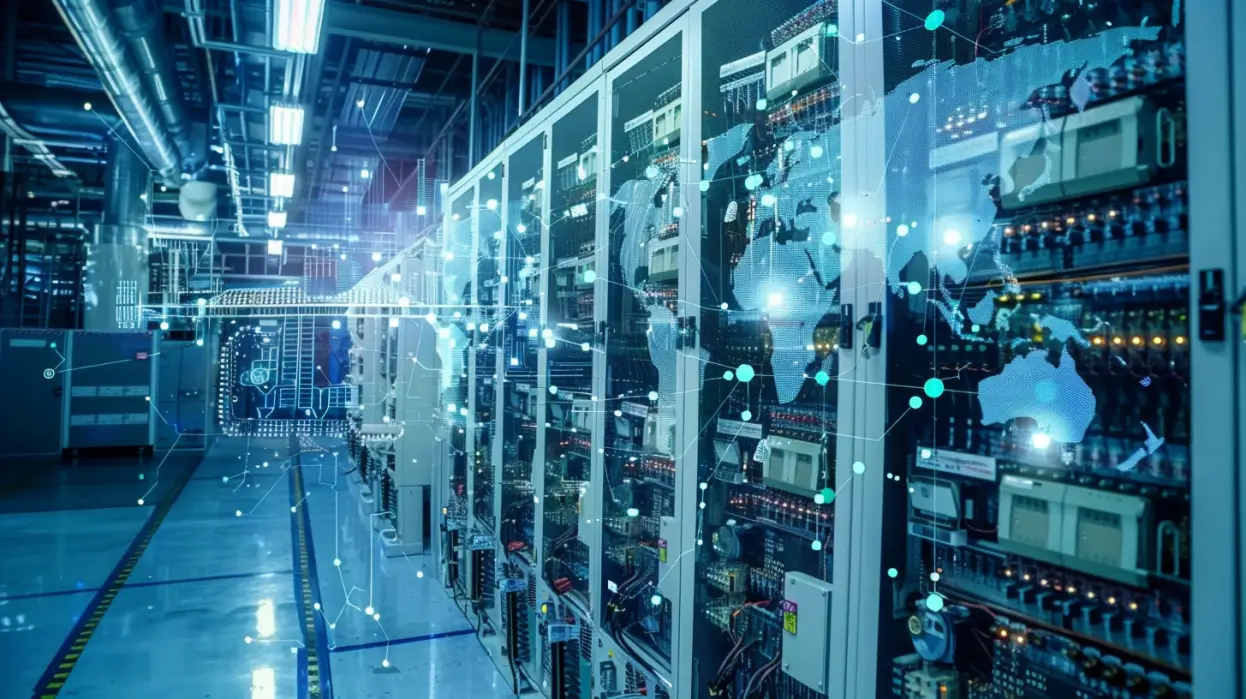
Modern electrical equipment increasingly includes IoT-enabled devices, sensors, and monitoring systems. Smart grids allow for real-time energy management, predictive maintenance, and efficient power distribution. Suppliers adopting these technologies, such as Siemens, ABB, and Schneider Electric, offer clients future-ready solutions that reduce downtime and operational costs.
The shift toward solar, wind, and hybrid energy systems is transforming the market. Manufacturers are producing energy-efficient transformers, switchgear, and storage solutions compatible with renewable infrastructure. Regional specialists like Conya and Chint Group are increasingly integrating eco-friendly designs to meet growing environmental standards.
Automation and AI-driven production lines improve efficiency, precision, and product quality. Leading manufacturers are investing heavily in robotics, predictive maintenance, and automated assembly to reduce human error and increase throughput. Buyers benefit from more reliable equipment with consistent performance.
Demand is rising for modular electrical equipment that can be scaled or adapted to specific project needs. Manufacturers are offering custom configurations for industrial, commercial, and infrastructure projects, giving buyers greater flexibility and faster deployment.
Suppliers are increasingly offering digital platforms for design, ordering, and monitoring, making global collaboration smoother. Companies like Panasonic, Mitsubishi Electric, and Bosch provide online tools for specification checks, real-time monitoring, and remote troubleshooting.
Future-ready electrical equipment manufacturers combine smart technology, sustainability, automation, and flexibility. Partnering with forward-thinking suppliers ensures your infrastructure remains efficient, compliant, and scalable, reducing long-term costs and operational risks.
While global giants dominate the industry, niche manufacturers offer unique advantages for specific applications, regional projects, or specialized technology. These companies often focus on custom solutions, renewable energy integration, or cost-effective products, making them valuable options for buyers seeking tailored solutions.

LETOP specializes in solar combiner boxes, PV distribution, and intelligent electrical panels. Known for innovative solar energy solutions, LETOP provides cost-effective options for renewable energy projects while maintaining high-quality standards and certifications.

Foundation Year: 1958
Havells focuses on switchgear, wiring accessories, and industrial electrical products. Its energy-efficient designs and commitment to quality make it a trusted regional supplier for industrial and commercial applications in India and neighboring markets.
Foundation Year: 1879
Prysmian is a leading cable manufacturer providing high-voltage, medium-voltage, and fiber optic cables. Its specialty lies in renewable energy and infrastructure projects, offering flexible solutions for challenging environments.
Niche manufacturers are ideal for specialized projects, renewable energy initiatives, and cost-sensitive regional operations. They complement global giants by offering flexibility, customization, and faster deployment.
Featuring both global and niche suppliers in your project ensures an optimal balance between innovation, cost, and availability.
Globally, top companies include Siemens, ABB, Schneider Electric, GE, Hitachi Energy, Mitsubishi Electric, Legrand, Panasonic, Bosch, and Samsung. In the U.S., leaders include Eaton, Schneider USA, Hoffman Enclosures, and Yazaki, while regional specialists like Conya, Chint, TBEA, BHEL, and WEG are growing in Asia and Latin America.
For industrial projects, global giants like Siemens, ABB, and Schneider offer reliable, certified solutions with strong support. Regional suppliers like Conya or WEG provide customized, cost-effective options for localized needs.
Check product quality, certifications (ISO, IEC, UL), innovation, reliability, after-sales support, and sustainability to ensure the supplier meets your project requirements.
Look for ISO 9001, IEC, CCC for international compliance, and UL or NEMA for U.S. safety standards. Always ensure the certifications match your project location and regulations.
Global suppliers are ideal for large-scale or international projects due to advanced technology and worldwide support. Regional suppliers offer faster delivery, lower costs, and customizable solutions for local or smaller projects.
Choosing the right electrical equipment manufacturing company is essential for ensuring safety, efficiency, and long-term reliability in any industrial, commercial, or infrastructure project. From global giants like Siemens, ABB, and Schneider Electric to regional specialists such as Conya, TBEA, and WEG, each supplier offers unique advantages depending on your project needs, scale, and location.
By considering product quality, certifications, innovation, after-sales support, and sustainability practices, buyers can make informed decisions that balance cost, reliability, and future-proofing. Global suppliers provide advanced technology and worldwide support, while regional manufacturers deliver customized solutions and cost-effective options.
Among regional manufacturers, Conya Group is known for its intelligent electrical distribution systems, including bus ducts and distribution boxes. The company focuses on delivering cost-effective and customizable solutions for industrial and infrastructure projects across emerging markets.
Reach out to Conya for tailored, certified, and future-ready electrical solutions that will power your operations efficiently and safely.
