Language

Selecting an electrical switchgear manufacturer is a decision that influences the long-term performance, safety, and stability of an entire power distribution network. Switchgear is expected to operate under demanding conditions, manage fault currents, and protect critical assets. When the manufacturing quality behind these systems is inconsistent, the result is often equipment downtime, accelerated wear, and unnecessary operational risk.
A well-chosen manufacturer provides more than just equipment. It brings engineering expertise, rigorous testing standards, dependable construction practices, and support throughout the lifecycle of the installation. The reliability of a distribution system is closely tied to the processes and standards applied during design, fabrication, assembly, and final testing.
In today’s environment—where electrical loads are increasing, compliance requirements are tightening, and system uptime is non-negotiable—switchgear must be built by a partner with proven technical capability. Understanding what distinguishes a dependable manufacturer from an ordinary supplier helps ensure that the switchgear installed today continues to deliver stable, safe, and efficient operation for years to come.
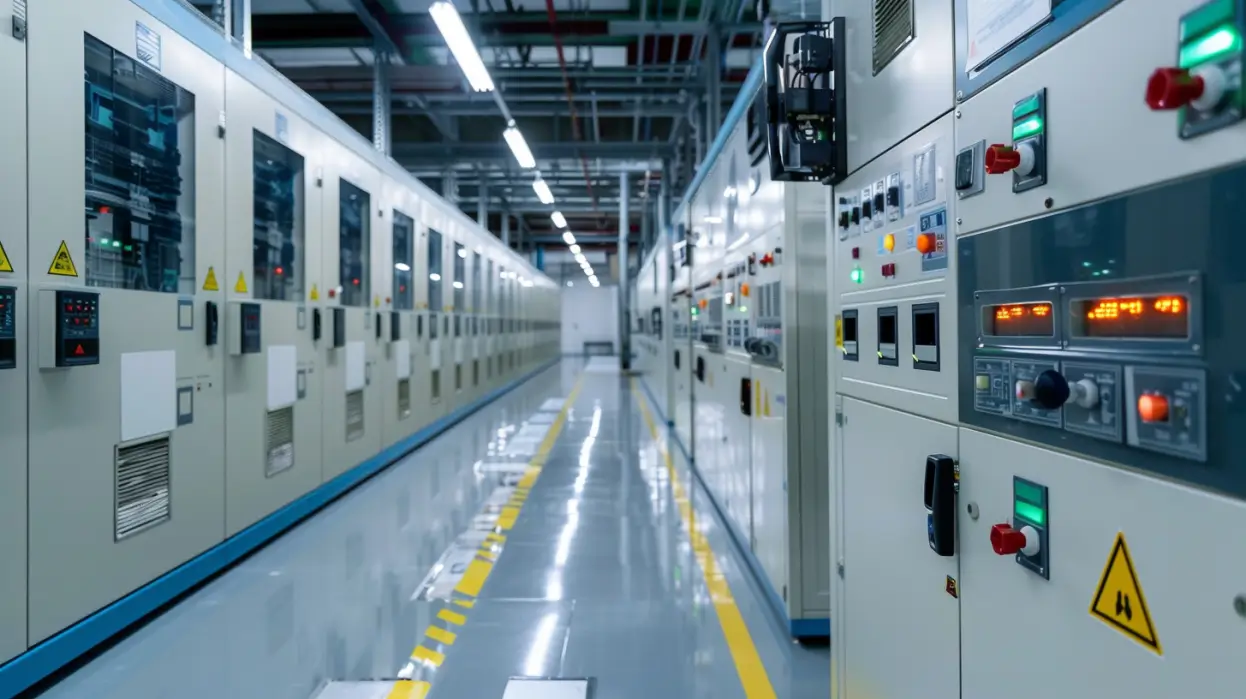
A dependable switchgear manufacturer demonstrates its capability through consistent engineering practices, transparent quality systems, and a clear commitment to long-term performance. While product specifications may appear similar across suppliers, the underlying manufacturing discipline ultimately determines how switchgear performs in real operating conditions.
A strong manufacturer applies established engineering principles across every project, ensuring uniformity in design, materials, and assembly. Consistency reduces the likelihood of failure modes such as overheating, insulation breakdown, or mechanical wear.
Compliance with IEC 62271, IEC 61439, and related requirements is not optional—it is the foundation for safe and reliable switchgear. Manufacturers that follow these standards demonstrate structured processes, validated designs, and controlled testing methods.
Real-world installations rarely fit a one-size-fits-all model. A capable manufacturer can refine system layouts, integrate specialised components, or adapt configurations to meet site conditions, load profiles, and protection philosophies. This engineering flexibility is essential for complex or large-scale projects.
Reliable manufacturers document their processes and allow visibility into:
Such transparency is a strong indicator of robust internal controls and reduces uncertainty when evaluating long-term reliability.
Switchgear requires periodic servicing, testing, and component replacement. A competent manufacturer provides timely technical support, clear documentation, and reliable access to spare parts, helping maintain system continuity and reduce downtime.
The strength of any switchgear system is closely tied to the standards and testing procedures followed during its design and production. Manufacturers that consistently comply with internationally recognized requirements demonstrate a structured engineering approach and a commitment to safety, reliability, and long-term performance.
The IEC 62271 standard governs high-voltage switchgear and controlgear, while IEC 61439 defines requirements for low-voltage assemblies. Compliance indicates that the manufacturer’s designs have undergone:
Switchgear built to these standards delivers predictable performance under fault conditions and routine operation.
Manufacturers certified to ISO 9001 follow a documented quality management system, ensuring consistent production processes and controlled workflows.
ISO 14001 certification demonstrates environmentally responsible operations, which is particularly relevant for manufacturers handling SF₆-based equipment or other regulated materials.
Beyond equipment-level standards, installation environments often require adherence to arc-flash and electrical safety protocols. Manufacturers that apply arc-resistant design principles and validate protective capabilities help reduce risks during operation, testing, and maintenance.
For applications involving gas-insulated switchgear, compliance with environmental handling procedures for SF₆ is essential. Responsible manufacturers implement leak-prevention measures, proper gas handling protocols, and clear documentation to support sustainable operations and regulatory requirements.

Selecting the right supplier begins with understanding the difference between a switchgear manufacturer and a switchgear distributor. While both can supply equipment, their responsibilities, engineering capability, and quality control processes differ significantly.
Manufacturers design, engineer, assemble, and test switchgear in-house. This means:
Distributors, on the other hand, operate as intermediaries. They may supply reputable brands, but they typically do not perform engineering, testing, or customization themselves. As a result:
For projects requiring custom dimensions, specialised protection schemes, or guaranteed compliance, working directly with a manufacturer ensures better alignment, accountability, and long-term reliability.
The construction of reliable switchgear depends on more than published specifications. The internal processes, materials, and testing methods used by a manufacturer have a direct impact on how the equipment performs throughout its service life. The following checklist highlights the areas that most strongly influence operational reliability.
High-quality switchgear begins with the right materials. Copper purity, conductor sizing, insulation grade, enclosure metal thickness, and the quality of mechanical components all determine how well the system withstands electrical, thermal, and mechanical stress. Consistent material selection is one of the strongest indicators of a disciplined manufacturing process.
A well-designed busbar system ensures stable current distribution and reduces the risk of overheating. Key factors include:
Manufacturers that apply clear engineering methods to busbar design typically deliver far more predictable system performance.
Switchgear reliability often comes down to how accurately components are assembled, aligned, and secured. Proper torqueing of connections, consistent enclosure fabrication, and precise installation of mechanical interlocks all contribute to long-term stability and reduced maintenance needs.
Structured factory acceptance testing (FAT) is essential. Thorough manufacturers conduct and document:
A complete documentation package — including serial tracking, component traceability, and final inspection reports — assures that each unit has passed a verifiable quality process.
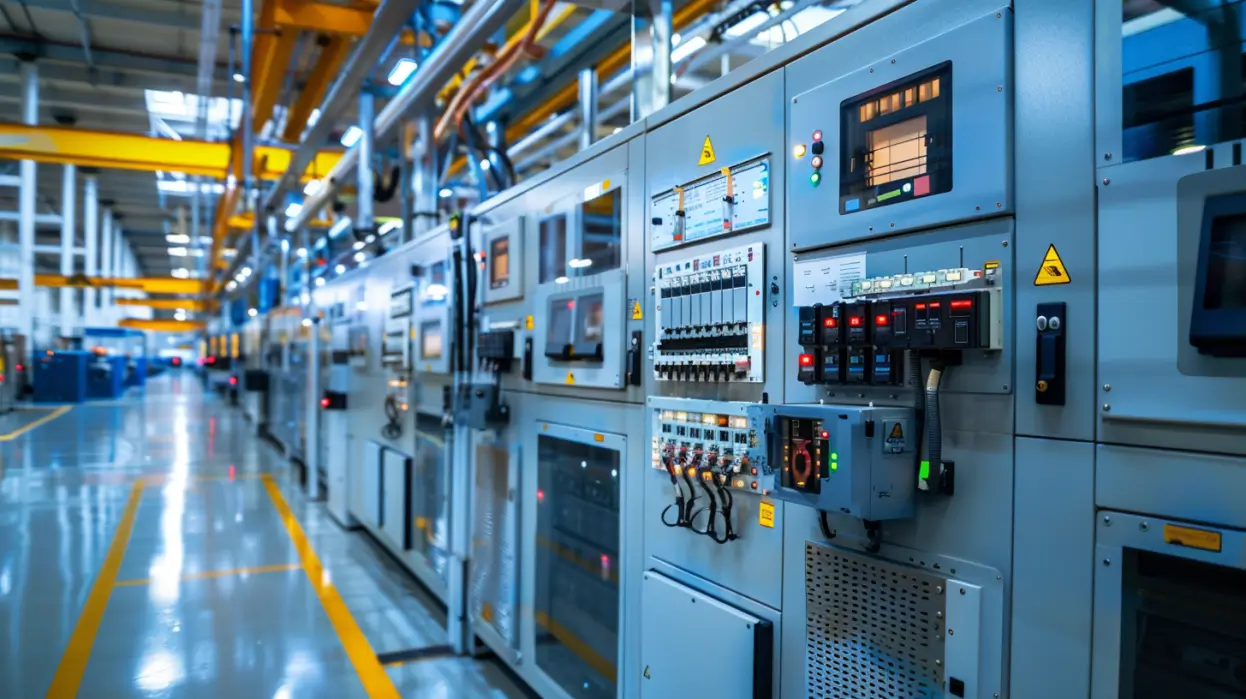
Switchgear sourcing options vary widely, and the structure of a supplier’s business model directly influences the level of engineering support, quality assurance, and customization available. Understanding these differences helps ensure that the chosen partner aligns with the requirements of the project.
OEMs design and build switchgear using proprietary engineering, standardized processes, and in-house testing. They typically offer the most consistent product quality because design authority, manufacturing, and quality control are all managed within a single system. OEMs are suitable for projects requiring repeatability, validated performance, and long-term component support.
System integrators assemble switchgear using components sourced from multiple suppliers. While they may not manufacture every part, integrators excel at configuring systems to match specific operational or spatial requirements. They are often chosen for projects with unique layouts or compatibility needs.
Assemblers follow provided drawings or specifications, focusing primarily on fabrication and enclosure assembly. Their value lies in cost-effective production, but engineering depth, testing scope, and customization capabilities may be limited compared to OEMs or integrators.
Trading companies supply switchgear manufactured by third parties, offering flexible procurement options. However, the absence of direct engineering involvement or factory control can introduce variability in quality and traceability. These suppliers are best suited for standardized, low-complexity equipment where engineering oversight is minimal.
The switchgear industry includes a mix of long-established global brands and highly specialized engineering manufacturers. Understanding the landscape helps clarify the range of technologies, testing standards, and supply capabilities available worldwide.
This list is not a ranking, but a technical overview of manufacturers commonly referenced in sourcing evaluations.
These companies have extensive portfolios and long histories in medium-voltage and high-voltage switchgear:
These manufacturers are often selected for high-demand, mission-critical electrical networks.
Strong performers in specific markets or technical segments:
These suppliers offer targeted solutions based on regional infrastructure needs.
China is a major hub for switchgear production, supported by advanced manufacturing and strong export capability. Representative companies include:
This segment is often chosen for projects requiring custom configurations, flexible production schedules, or OEM/ODM partnerships.

Switchgear sourced internationally must align with local standards, installation environments, and long-term operational expectations. Beyond technical specifications, regional requirements can influence documentation needs, testing procedures, logistics planning, and support availability. Evaluating these factors early helps ensure smoother project execution.
Each region may apply its own regulations in addition to IEC standards. These can influence:
A manufacturer experienced in cross-border projects typically provides the correct certification set, drawings, and documentation required for local approval processes.
Reliable manufacturers maintain structured documentation that supports:
Clear documentation is essential for both installation compliance and future maintenance.
Shipping timelines can vary significantly depending on voltage class, enclosure size, customs clearance, and transportation method.
Key factors include:
A precise logistics plan reduces installation delays and protects components from damage.
Regional differences in service support may affect:
Manufacturers with dedicated global support channels or regional partners minimize downtime and maintain system reliability throughout the equipment lifecycle.
Switchgear is a long-term asset that affects protection reliability, system uptime, and operational safety. Yet many issues traced back to equipment failures originate not from design flaws, but from choices made during the supplier selection stage. Avoiding the following pitfalls significantly reduces the likelihood of unexpected operational problems.
A low purchase price can mask compromises in:
Switchgear is expected to operate reliably for decades. When cost becomes the only deciding factor, the trade-offs often lead to higher lifecycle expenses, including repairs, downtime, and premature replacement.
Some suppliers reference IEC standards without providing complete evidence of:
Requesting verifiable documentation ensures the equipment meets the actual performance and safety standards required for the installation.
Manufacturers differ widely in terms of:
A facility with structured workflows and consistent tooling generally delivers more stable product quality.
Even the best switchgear requires maintenance. Selecting a supplier without reliable:
can lead to extended outages or difficult maintenance cycles. Long-term reliability depends on both the product and the support structure behind it.

Before selecting a switchgear manufacturer, a quick but focused evaluation helps confirm whether they can meet performance, safety, and long-term support requirements.
Key questions to ask include:
Clear testing procedures, realistic delivery timelines, complete documentation, dependable spare-parts availability, and flexibility for custom engineering are essential indicators of a reliable supplier.
Switchgear is central to electrical protection and power distribution, and the choice of manufacturer plays a decisive role in the system’s long-term safety and performance. Evaluating suppliers based on engineering capability, manufacturing discipline, testing standards, and lifecycle support provides a far more accurate picture than relying on price or brand familiarity alone.
A manufacturer that demonstrates consistent quality, compliance with international standards, robust documentation, and transparent engineering practices is far more likely to deliver equipment that performs reliably throughout its service life. Careful selection not only improves operational continuity but also reduces maintenance demands, unplanned downtime, and future replacement costs.
By applying the evaluation criteria outlined in this guide, project teams gain the clarity needed to select a partner capable of supporting both current requirements and long-term system expansion. High-quality switchgear is not defined by specifications alone — it is the result of disciplined engineering, controlled manufacturing processes, and dependable support from the company that builds it.
If you require switchgear built on consistent engineering standards, supported by documented testing, and manufactured through controlled production processes, Conya Electric can assist.
To discuss your project or request technical information, simply reach out. Conya is available to support your switchgear planning, design, and implementation needs.
